Acute, Chronic and Intergenerational/Historical Trauma and the Development of Eating Disorders and Substance Use Disorders

A Part of SunCloud's CME/CEU Program of Events

Presented by special guest, Carolyn Coker Ross, MD, MPH, CEDS

Research consistently links trauma—including historical and race-based trauma—to eating disorders (ED) and substance use disorders (SUD). Studies underscore the significance of evaluating trauma and PTSD in the treatment of ED and SUD. Early childhood trauma can influence the brain’s neural circuitry, fostering traits like compulsivity, impulsivity, and emotional instability, which are foundational to both ED and SUD. Our understanding of trauma has evolved, shedding light on its varied forms and its neural impacts. Research on families of Holocaust survivors, Native populations, and African-Americans reveals that trauma effects can be transmitted to subsequent generations via epigenetic changes, influencing the risk for ED and SUD. Recognizing and addressing trauma and PTSD is crucial; without this, treatment for ED and SUD often fails, resulting in higher relapse rates. Learning Objectives:
  1. Participants will be able to understand the various ways in which trauma, abuse, and neglect can foster the development of eating disorders and substance use disorders.
  2. Participants will be able to describe the specific effects of trauma, abuse and neglect on the brain
  3. Participants will be able to list 3 treatments that are geared towards improving cognition, impulsivity and recovery from trauma.
  4. Participants will be able to describe how insecure attachment can result from trauma.
  5. Participants will be able to describe prenatal stressors that can affect neurodevelopment.
View the Learner Notification.  [colorsection bgcolor=”graybg”]

Watch the Presentation and Receive 1 CME/CE Credit

View the Learner Notification. 

Click here to claim your credit

[/colorsection] [center]


Highlights from the Presentation

[center] [ngg src=”galleries” ids=”17″ display=”thumbnail” thumbnail_crop=”0″ images_per_page=”50″ number_of_columns=”3″][/center]   [colorsection bgcolor=”darkbluebg”]

About the Speaker

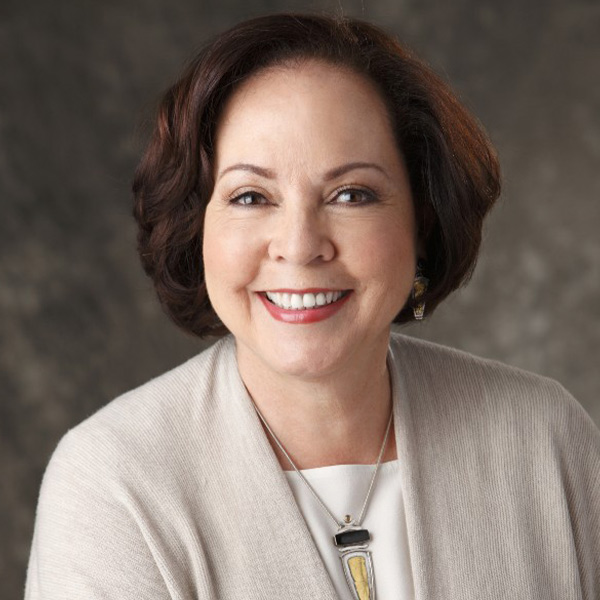
[one_third][/one_third] [two_third_last]Dr. Carolyn Coker Ross, MD, MPH is an internationally known author, speaker, expert, and pioneer in intergenerational trauma’s effect on one’s body, brain, and beliefs. Ross teaches millions of people about eating disorder treatment and substance use disorder at Psychology Today. Her previous speaking engagements include prestigious leadership bodies such as TedXPleasantGrove, the US Air Force Academy, International Association for Eating Disorder Professionals (IAEDP), Integrative Medicine for Mental Health (IMMH) Conference, US Journal Conference, American Medical Women’s Association Conference, National Association of Treatment Providers, American Society of Addiction Medicine and more. She is the author of three books, the most recent of which is The Food Addiction Recovery Workbook. Make peace with food and body and heal from trauma, and substance use disorders at Dr. Ross’s online coaching website, The Anchor Program™. [/two_third_last] [/colorsection]   Joint Accreditation Statement

Joint Accreditation Statement: In support of improving patient care, this activity has been planned and implemented by Amedco LLC and Galen Mental Health.  Amedco LLC is jointly accredited by the Accreditation Council for Continuing Medical Education (ACCME), the Accreditation Council for Pharmacy Education (ACPE), and the American Nurses Credentialing Center (ANCC), to provide continuing education for the healthcare team. Amedco Joint Accreditation #4008163.
 

Adolescent Cannabis: Modern Trends, Risks and Treatment

Presented by Special Guest:
Carolyn Coker Ross, MD, MPH, CEDS

Research consistently links trauma—including historical and race-based trauma—to eating disorders (ED) and substance use disorders (SUD). Studies underscore the significance of evaluating trauma and PTSD in the treatment of ED and SUD. Early childhood trauma can influence the brain’s neural circuitry, fostering traits like compulsivity, impulsivity, and emotional instability, which are foundational to both ED and SUD. Our understanding of trauma has evolved, shedding light on its varied forms and its neural impacts. Research on families of Holocaust survivors, Native populations, and African-Americans reveals that trauma effects can be transmitted to subsequent generations via epigenetic changes, influencing the risk for ED and SUD. Recognizing and addressing trauma and PTSD is crucial; without this, treatment for ED and SUD often fails, resulting in higher relapse rates.

Topics Covered:
  • Participants will be able to understand the various ways in which trauma, abuse, and neglect can foster the development of eating disorders and substance use disorders.
  • Participants will be able to describe the specific effects of trauma, abuse and neglect on the brain
  • Participants will be able to list 3 treatments that are geared towards improving cognition, impulsivity and recovery from trauma.
  • Participants will be able to describe how insecure attachment can result from trauma.
  • Participants will be able to describe prenatal stressors that can affect neurodevelopment.

Video: Watch the Presentation and Receive 1 CME/CE Credit

Presented by:Dr. Carolyn Coker Ross, MD, MPH

Dr. Carolyn Coker Ross, MD, MPH is an internationally known author, speaker, expert, and pioneer in intergenerational trauma’s effect on one’s body, brain, and beliefs. Ross teaches millions of people about eating disorder treatment and substance use disorder at Psychology Today. Her previous speaking engagements include prestigious leadership bodies such as TedXPleasantGrove, the US Air Force Academy, International Association for Eating Disorder Professionals (IAEDP), Integrative Medicine for Mental Health (IMMH) Conference, US Journal Conference, American Medical Women’s Association Conference, National Association of Treatment Providers, American Society of Addiction Medicine and more. She is the author of three books, the most recent of which is The Food Addiction Recovery Workbook. Make peace with food and body and heal from trauma, and substance use disorders at Dr. Ross’s online coaching website, The Anchor Program™.

Joint Accreditation Statement:

Joint Accreditation Statement: In support of improving patient care, this activity has been planned and implemented by Amedco LLC and Galen Mental Health.  Amedco LLC is jointly accredited by the Accreditation Council for Continuing Medical Education (ACCME), the Accreditation Council for Pharmacy Education (ACPE), and the American Nurses Credentialing Center (ANCC), to provide continuing education for the healthcare team. Amedco Joint Accreditation #4008163.

-Our Research Team-
Timothy D. Brewerton, MD, DLFAPA, FAED, DFAACAP, CEDS-S
Professor Emeritus of Psychiatry and Behavioral Sciences
Dr. Christopher Womack
Medical Director, Child and Adolescent Psychiatry

Dr. Christopher Womack joins SunCloud as our Medical Director, Child and Adolescent Psychiatry.

Dr. Womack is board certified in Adult as well as Child and Adolescent Psychiatry, attending the University of Chicago Pritzker School of Medicine. Adult psychiatry residency and child fellowship training were completed at the University of Chicago Medical Center.

Dr. Womack’s treatment  philosophy hinges on strength based, evidence informed care, where collaboration is central to guiding individualized treatment.  He has experience caring for children and teens from varied backgrounds, appreciating the importance of how identity can inform treatment.

Favorite pastimes are cooking new recipes and exploring Chicago’s rich cultural diversity through its neighborhood and fine dining experiences.

Elizabeth E. Sita, MD
Medical Director of Adult Services

Dr. Elizabeth E. Sita, MD, is a Board Certified psychiatrist specializing in the care of patients with eating disorders. She completed her undergraduate training at the University of Chicago and graduated with Highest Honors. She then earned her medical degree at Northwestern University Feinberg School of Medicine and was recognized with the Chairman’s Award for Excellence in Psychiatry. She subsequently completed residency with the Department of Psychiatry and Behavioral Sciences at McGaw Medical Center of Northwestern University, where she was elected Chief Resident and received the Resident Psychiatrist Leadership & Service Award.
Upon completing her training, Dr. Sita came to Ascension Alexian Brothers Behavioral Health Hospital, where she served as Assistant Medical Director of the Center for Eating Disorders and Director of Transcranial Magnetic Stimulation Services before transitioning to lead the new inpatient eating disorder unit as Medical Director of Eating Disorder Services at Ascension Saint Joseph Hospital – Chicago. In these roles, she has cared for a multitude of adolescents and adults struggling with anorexia nervosa, bulimia nervosa, binge eating disorder, and other eating disorders as well as severe, cooccurring mood, trauma, personality, and substance use disorders.
Dr. Sita has been recognized throughout her training and practice for a commitment to excellence in patient care and for her ability to engage patients in their most challenging moments. Her passions include the care of treatment-resistant eating and mood disorders as well as questions of medical capacity and end-of-life decision making.
She believes that, first and foremost, human connection is key to mental health and well-being and strives to share this philosophy in each and every patient encounter. She is excited to bring her expertise to SunCloud Health as the Medical Director of Adult Services!
 
VIDEO: Meet Elizabeth E. Sita, MD, Medical Director of Adult Services


 https://youtu.be/JbmELh2UGXE

Lacey Lemke, PsyD
Assistant Vice President of Clinical Services

Dr. Lacey Lemke (she/her) is a licensed clinical health psychologist with specialized expertise in the treatment of eating disorders and the practice of medical and health psychology. She completed her doctoral training in clinical psychology with a Primary Care emphasis at the Adler School of Professional Psychology. Dr. Lemke went on to complete both her predoctoral clinical internship and postdoctoral fellowship through Ascension Health, where she gained advanced training working with individuals experiencing eating disorders and self-injurious behaviors, as well as within pediatric subspecialty settings including endocrinology, neurology, and adolescent medicine.

Dr. Lemke is deeply committed to providing evidence-based, compassionate care and collaborates closely with interdisciplinary teams to ensure comprehensive treatment. Her professional mission is to support patients in achieving their fullest potential by guiding them to the most appropriate level of care and empowering them to make meaningful, sustainable progress toward improved health and well-being.

VIDEO: 2. Meet Lacey Lemke, PsyD.

https://youtu.be/iKQeU9s5U2k?rel=o