
Can Food Be Addictive? Relevance and Risks in Eating Disorder Treatment

A Part of SunCloud's Continuing Education Series of Events
Can Food Be Addictive? Relevance and Risks in Eating Disorder Treatment Presented by: Dr. Ashley Gearhardt, PhD November 17, 2023

This illuminating webinar delved deep into the intriguing questions underpinning food addiction, with an emphasis on its connection to eating disorders and its implications in treatment. Building on an extensive foundation of empirical literature, both from the presenter and other esteemed scholars, the session promises an engaging discussion that touches upon controversial standpoints, presenting a balanced view of the topic.

Learning Objectives

  1. Understanding Food Addiction through Empirical Evidence: Dive into the robust empirical data on assessing food addiction, with a spotlight on the renowned Yale Food Addiction Scale.
  2. Validity & Research Gaps: Unravel the efficacy of the Yale Food Addiction Scale and explore the existing gaps in the research that necessitate further investigation.
  3. Evidence-based Addiction Treatment Approaches: Grasp the nuances of applying proven addiction treatment methodologies within the realm of disordered eating.
  4. Clinical Implications: Discuss the broader clinical implications of viewing certain eating disorders through the lens of addiction.
  5. Assessment Tools for Health Care Integration: Receive insights into specific tools to evaluate highly processed food addiction, its clinical counterparts, and the ramifications of an addiction perspective in treatment.
[colorsection bgcolor=”graybg”]

Watch the Presentation and Receive 1 CME/CE Credit

View the Learner Notification and see what licenses are covered.

Click here to claim your credit.

[/colorsection] [colorsection bgcolor=”darkbluebg”]

About the Speaker

[one_third]
Ashley Gearhardt, PhD
[/one_third] [two_third_last] Ashley Gearhardt, PhD Professor of Psychology, University of Michigan  I actually started during my first year of my doctoral training at Yale University. I initially started doing work on alcohol addiction with Dr. William Corbin (who is now at Arizona State University), but quickly saw the parallels with substance addiction and the research that was coming out in the obesity and eating disorder world. I was fortunate that Dr. Kelly Brownell (who is now at Duke) was also there doing research into how the changing food environment was contributing to obesity. Will and Kelly were so very supportive of me pursuing the area of food addiction, which bridged across their labs. Part of what inspired me to do this work was animal model research by Drs. Nicole Avena and Bart Hoebel exhibiting how sugar altered the brains of rodents in an addictive manner, research by Drs. Gene-Jack Wang and Nora Volkow on how neural circuitry implicated in addiction was also associated with obesity, and work by Dr. Mark Gold exhibiting cross-addiction behavior between substance use disorders and eating behavior. These really set the stage to further research the parallels between excessive food intake and addictive disorders. Read More on Ask the Expert with Dr. Kim [/two_third_last] [/colorsection]   Joint Accreditation Statement

Joint Accreditation Statement: In support of improving patient care, this activity has been planned and implemented by Amedco LLC and Galen Mental Health.  Amedco LLC is jointly accredited by the Accreditation Council for Continuing Medical Education (ACCME), the Accreditation Council for Pharmacy Education (ACPE), and the American Nurses Credentialing Center (ANCC), to provide continuing education for the healthcare team. Amedco Joint Accreditation #4008163.
 

Can Food Be Addictive? Relevance and Risks in Eating Disorder Treatment

Presented By:
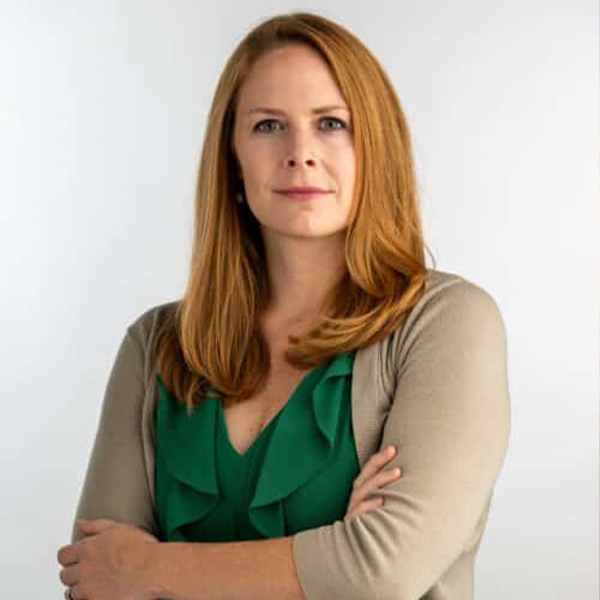
Dr. Ashley Gearhardt, PhD November 17, 2023

This illuminating webinar delved deep into the intriguing questions underpinning food addiction, with an emphasis on its connection to eating disorders and its implications in treatment. Building on an extensive foundation of empirical literature, both from the presenter and other esteemed scholars, the session promises an engaging discussion that touches upon controversial standpoints, presenting a balanced view of the topic.

Learning Objectives:

  • Understanding Food Addiction through Empirical Evidence: Dive into the robust empirical data on assessing food addiction, with a spotlight on the renowned Yale Food Addiction Scale.
  • Validity & Research Gaps: Unravel the efficacy of the Yale Food Addiction Scale and explore the existing gaps in the research that necessitate further investigation.
  • Evidence-based Addiction Treatment Approaches: Grasp the nuances of applying proven addiction treatment methodologies within the realm of disordered eating.
  • Clinical Implications: Discuss the broader clinical implications of viewing certain eating disorders through the lens of addiction.
  • Assessment Tools for Health Care Integration: Receive insights into specific tools to evaluate highly processed food addiction, its clinical counterparts, and the ramifications of an addiction perspective in treatment.

Video: Watch the Presentation

Presented by:Ashley Gearhardt, PhD Professor of Psychology, University of Michigan

I actually started during my first year of my doctoral training at Yale University. I initially started doing work on alcohol addiction with Dr. William Corbin (who is now at Arizona State University), but quickly saw the parallels with substance addiction and the research that was coming out in the obesity and eating disorder world. I was fortunate that Dr. Kelly Brownell (who is now at Duke) was also there doing research into how the changing food environment was contributing to obesity. Will and Kelly were so very supportive of me pursuing the area of food addiction, which bridged across their labs. Part of what inspired me to do this work was animal model research by Drs. Nicole Avena and Bart Hoebel exhibiting how sugar altered the brains of rodents in an addictive manner, research by Drs. Gene-Jack Wang and Nora Volkow on how neural circuitry implicated in addiction was also associated with obesity, and work by Dr. Mark Gold exhibiting cross-addiction behavior between substance use disorders and eating behavior. These really set the stage to further research the parallels between excessive food intake and addictive disorders. Read More on Ask the Expert with Dr. Kim

Joint Accreditation Statement:

Joint Accreditation Statement: In support of improving patient care, this activity has been planned and implemented by Amedco LLC and Galen Mental Health.  Amedco LLC is jointly accredited by the Accreditation Council for Continuing Medical Education (ACCME), the Accreditation Council for Pharmacy Education (ACPE), and the American Nurses Credentialing Center (ANCC), to provide continuing education for the healthcare team. Amedco Joint Accreditation #4008163.

Rachel Collins, LCSW
Site Director of Northbrook PHP and IOP

Rachel Collins, LCSW, is the Site Director of SunCloud Health’s Northbrook Partial Hospitalization (PHP) and Intensive Outpatient (IOP) programs for both adolescents and adults. Rachel earned her bachelor’s degree in psychology and went on to complete her master’s degree in social work from Michigan State University. She has since worked in a wide range of settings, including inpatient treatment, PHP/IOP programs, therapeutic group homes, and private practice. Rachel specializes in treating trauma (using Cognitive Processing Therapy) and anxiety, practicing through a relational, compassionate, and client-centered lens. She is passionate about creating a therapeutic space in which clients feel safe and able to explore various parts of themselves with curiosity as opposed to judgement. In addition to her leadership and clinical work, she is passionate about creating art, and learning about the intersection between creativity and mental health.

Kayla Corirossi, MA, LCSW
Site Director, Naperville PHP/IOP (Adolescents & Adults)

Kayla Corirossi, MA, LCSW, is the Site Director of SunCloud Health’s Naperville Partial Hospitalization (PHP) and Intensive Outpatient (IOP) programs for adolescents and adults. She brings extensive experience working with individuals across the lifespan, including adolescents, adults, and geriatric populations, and specializes in the treatment of mood disorders, trauma, substance use, family systems, forensic populations, and individuals in crisis.

Kayla has worked in a wide range of clinical and community settings, including community-based interventions, police crisis response, correctional facilities, inpatient treatment, PHP/IOP programs, and with vulnerable and underserved populations. In addition to her clinical and leadership work, she is passionate about providing mental health education and advocacy within the community.

Kayla earned her Bachelor’s degree with a double major in Psychology and Sociology from Aurora University and went on to complete her Master’s degree in Forensic Social Work, also at Aurora University. Her clinical approach is evidence-based, compassionate, trauma-informed, and integrative, emphasizing collaboration and individualized care.

Driven by a personal mission to meet individuals where they are, Kayla is committed to helping clients feel safe, supported, and understood. She strives to create a natural and empathetic healing environment while ensuring individuals from all backgrounds and identities know they are not alone and have access to meaningful resources and support.

Elizabeth E. Sita, MD
Medical Director of Adult Services

Dr. Elizabeth E. Sita, MD, is a Board Certified psychiatrist specializing in the care of patients with eating disorders. She completed her undergraduate training at the University of Chicago and graduated with Highest Honors. She then earned her medical degree at Northwestern University Feinberg School of Medicine and was recognized with the Chairman’s Award for Excellence in Psychiatry. She subsequently completed residency with the Department of Psychiatry and Behavioral Sciences at McGaw Medical Center of Northwestern University, where she was elected Chief Resident and received the Resident Psychiatrist Leadership & Service Award.
Upon completing her training, Dr. Sita came to Ascension Alexian Brothers Behavioral Health Hospital, where she served as Assistant Medical Director of the Center for Eating Disorders and Director of Transcranial Magnetic Stimulation Services before transitioning to lead the new inpatient eating disorder unit as Medical Director of Eating Disorder Services at Ascension Saint Joseph Hospital – Chicago. In these roles, she has cared for a multitude of adolescents and adults struggling with anorexia nervosa, bulimia nervosa, binge eating disorder, and other eating disorders as well as severe, cooccurring mood, trauma, personality, and substance use disorders.
Dr. Sita has been recognized throughout her training and practice for a commitment to excellence in patient care and for her ability to engage patients in their most challenging moments. Her passions include the care of treatment-resistant eating and mood disorders as well as questions of medical capacity and end-of-life decision making.
She believes that, first and foremost, human connection is key to mental health and well-being and strives to share this philosophy in each and every patient encounter. She is excited to bring her expertise to SunCloud Health as the Medical Director of Adult Services!
 
VIDEO: Meet Elizabeth E. Sita, MD, Medical Director of Adult Services


 https://youtu.be/JbmELh2UGXE

Lacey Lemke, PsyD
Assistant Vice President of Clinical Services

Dr. Lacey Lemke (she/her) is a licensed clinical health psychologist with specialized expertise in the treatment of eating disorders and the practice of medical and health psychology. She completed her doctoral training in clinical psychology with a Primary Care emphasis at the Adler School of Professional Psychology. Dr. Lemke went on to complete both her predoctoral clinical internship and postdoctoral fellowship through Ascension Health, where she gained advanced training working with individuals experiencing eating disorders and self-injurious behaviors, as well as within pediatric subspecialty settings including endocrinology, neurology, and adolescent medicine.

Dr. Lemke is deeply committed to providing evidence-based, compassionate care and collaborates closely with interdisciplinary teams to ensure comprehensive treatment. Her professional mission is to support patients in achieving their fullest potential by guiding them to the most appropriate level of care and empowering them to make meaningful, sustainable progress toward improved health and well-being.

VIDEO: 2. Meet Lacey Lemke, PsyD.

https://youtu.be/iKQeU9s5U2k?rel=o