
The Power of the Therapeutic Milieu: A Q&A with Shawntrell Moore, LCPC, CADC

At SunCloud Health, our programs extend beyond evidence-based, integrated treatment models. They also draw deeply on the healing power of community. To learn more, we sat down with Shawntrell Moore, LCPC, CADC, Residential Clinical Site Director, to discuss the therapeutic milieu and its impact on recovery.

Q: What do you mean by “therapeutic milieu”?

Shawntrell Moore: A therapeutic milieu is more than just a treatment setting—it’s a living, breathing environment where every interaction and routine is part of the healing process. It’s holistic, meaning we don’t just focus on the individual’s symptoms but also their environment and the team supporting them. The milieu itself becomes a therapeutic agent.

Q: How does the milieu support clinical interventions and personal growth?

Shawntrell Moore: When someone joins a therapeutic community, they benefit from both professional interventions and community-oriented support. The group atmosphere fosters accountability, encouragement, and shared learning. Clients see firsthand how others work through challenges, and that modeling helps them explore new ways of handling their own struggles. This also provides the ideal environment for clinical interventions, which benefit greatly from peer support.

Q: What role does conflict resolution play in the milieu?

Shawntrell Moore: Conflict is part of life, and in treatment we don’t avoid it. Instead, we use it as a chance to practice healthier patterns. The therapeutic milieu allows for safe demonstrations of conflict resolution and boundary setting. When clients practice these skills in real time, they can carry them into their relationships outside of treatment.

Q: How does being part of a community reduce isolation and stigma?

Shawntrell Moore: One of the hardest parts of struggling with mental health or substance use issues is the sense of being alone. In the milieu, clients realize they’re not isolated; they’re surrounded by people walking a similar path. That shared experience helps reduce the stigma so often attached to these conditions. Over time, clients feel understood and accepted, which is deeply healing.

Q: What about day-to-day life? Does the milieu encourage routines and skills?

Shawntrell Moore: Absolutely. A therapeutic milieu emphasizes healthy routines—like consistent sleep, meals, group participation, and physical activity. These everyday practices help regulate emotions and build resilience. Clients also learn practical healthy living skills, from communication strategies to stress management, which are essential for long-term well-being.
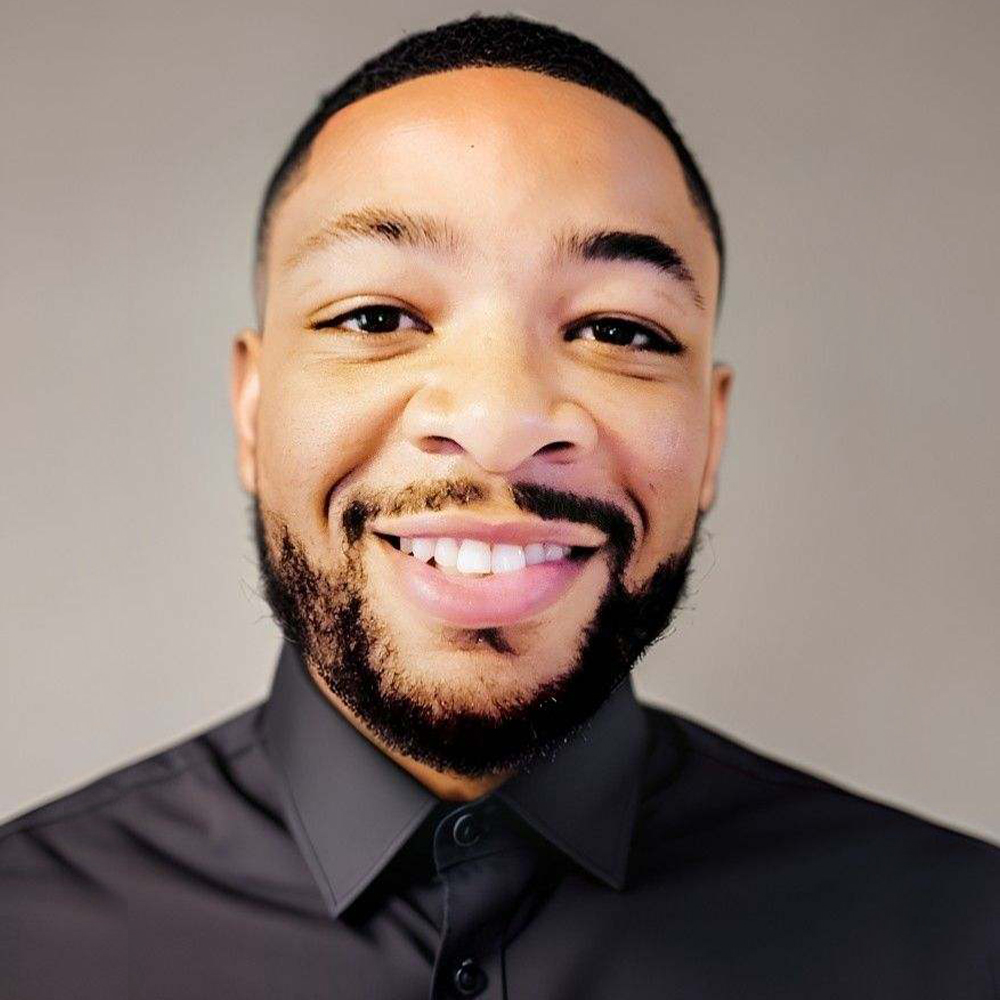
About the Expert

Shawntrell Moore, LCPC, CADC is the Residential Clinical Site Director at SunCloud Health. With extensive experience in clinical leadership and direct care, Shawntrell is dedicated to creating environments where clients feel supported, empowered, and equipped to grow. His work emphasizes holistic treatment, community connection, and the transformative power of the therapeutic milieu.

-Our Research Team-
Timothy D. Brewerton, MD, DLFAPA, FAED, DFAACAP, CEDS-S
Professor Emeritus of Psychiatry and Behavioral Sciences
Dr. Christopher Womack
Medical Director, Child and Adolescent Psychiatry

Dr. Christopher Womack joins SunCloud as our Medical Director, Child and Adolescent Psychiatry.

Dr. Womack is board certified in Adult as well as Child and Adolescent Psychiatry, attending the University of Chicago Pritzker School of Medicine. Adult psychiatry residency and child fellowship training were completed at the University of Chicago Medical Center.

Dr. Womack’s treatment  philosophy hinges on strength based, evidence informed care, where collaboration is central to guiding individualized treatment.  He has experience caring for children and teens from varied backgrounds, appreciating the importance of how identity can inform treatment.

Favorite pastimes are cooking new recipes and exploring Chicago’s rich cultural diversity through its neighborhood and fine dining experiences.

Elizabeth E. Sita, MD
Medical Director of Adult Services

Dr. Elizabeth E. Sita, MD, is a Board Certified psychiatrist specializing in the care of patients with eating disorders. She completed her undergraduate training at the University of Chicago and graduated with Highest Honors. She then earned her medical degree at Northwestern University Feinberg School of Medicine and was recognized with the Chairman’s Award for Excellence in Psychiatry. She subsequently completed residency with the Department of Psychiatry and Behavioral Sciences at McGaw Medical Center of Northwestern University, where she was elected Chief Resident and received the Resident Psychiatrist Leadership & Service Award.

Upon completing her training, Dr. Sita joined the staff atAscension Alexian Brothers Behavioral Health Hospital Hospital, where she served as Assistant Medical Director of the Center for Eating Disorders and Director of Transcranial Magnetic Stimulation Services before transitioning to lead the new inpatient eating disorder unit as Medical Director of Eating Disorder Services at Ascension Saint Joseph Hospital – Chicago. In these roles, she has cared for a multitude of adolescents and adults struggling with anorexia nervosa, bulimia nervosa, binge eating disorder, and other eating disorders as well as severe, cooccurring mood, trauma, personality, and substance use disorders.

Dr. Sita has been recognized throughout her training and practice for a commitment to excellence in patient care and for her ability to engage patients in their most challenging moments. Her passions include the care of treatment-resistant eating and mood disorders as well as questions of medical capacity and end-of-life decision making.

She believes that, first and foremost, human connection is key to mental health and well-being and strives to share this philosophy in each and every patient encounter. She is excited to bring her expertise to SunCloud Health as the Medical Director of Adult Services!

VIDEO: Meet Elizabeth E. Sita, MD, Medical Director of Adult Services

Lacey Lemke, PsyD
Assistant Vice President of Clinical Services

Dr. Lacey Lemke (she/her) is a licensed clinical health psychologist with specialized expertise in the treatment of eating disorders and the practice of medical and health psychology. She completed her doctoral training in clinical psychology with a Primary Care emphasis at the Adler School of Professional Psychology. Dr. Lemke went on to complete both her predoctoral clinical internship and postdoctoral fellowship through Ascension Health, where she gained advanced training working with individuals experiencing eating disorders and self-injurious behaviors, as well as within pediatric subspecialty settings including endocrinology, neurology, and adolescent medicine.

Dr. Lemke is deeply committed to providing evidence-based, compassionate care and collaborates closely with interdisciplinary teams to ensure comprehensive treatment. Her professional mission is to support patients in achieving their fullest potential by guiding them to the most appropriate level of care and empowering them to make meaningful, sustainable progress toward improved health and well-being.

VIDEO: 2. Meet Lacey Lemke, PsyD.

https://youtu.be/iKQeU9s5U2k?rel=o