Northbrook, Illinois · Adults & teens
Outpatient Mental Health Care in Northbrook, Illinois
Integrated care close to home
Our physician-led PHP and IOP programs bring mental health, eating disorder, trauma, and substance use care together, while you return home after treatment.
At SunCloud Health, recovery begins right where you live and grows alongside a caring community.

Care That Comes Together Around You
A coordinated approach, with your individual story at the center.
Individualized, Whole-Person Integration
One team addresses mental health, substance use, eating disorders, and trauma together, with a care plan shaped around your needs.
Physician-Led Care
Psychiatrists collaborate with therapists and other clinicians to coordinate treatment, medical oversight, and skills practice.
Flexible Pathways
PHP and IOP in Northbrook, virtual evening IOP, and residential care at our other locations help match support to clinical need.
Transparent Outcomes
Published patient-reported outcomes help inform care. The current report combines SunCloud programs, rather than describing Northbrook alone.
Evidence-Driven Research
SunCloud’s research explores the relationship between trauma, eating disorders, and addiction to inform integrated treatment.
Thorough Admissions
A comprehensive assessment helps determine whether SunCloud is the right fit. When another setting is more appropriate, our team helps guide next steps.
Inclusive, Culturally Attuned Care
Care respects LGBTQ+ identities and the intersections of culture, trauma, lived experience, and mental health.
Five Things to Know About Care in Northbrook
Integrated Care Under One Roof
We treat trauma, mood, eating, and substance issues simultaneously, saving you from bouncing between providers.
Full Continuum of Care
Step into PHP, IOP, or virtual evening tracks and transition up or down as your needs change. Residential care can be accessed at our Northbrook and Matteson locations when appropriate.
Physician-Led & Trauma-Informed
Board-certified psychiatrists oversee care while clinicians are cross-trained in evidence-based modalities like DBT and CPT.
Transparent, Patient-Reported Outcomes
Published patient-reported data track changes in depression, anxiety, and other symptoms. Our current 2025 report combines results across SunCloud programs, rather than reporting a Northbrook-only sample.
Accessible & Insurance-Friendly
Our outpatient center is at 40 Skokie Boulevard, Suite 200. Our team verifies insurance benefits and explains your individual coverage and payment options.
Conditions We Treat in Northbrook
We treat co-occurring conditions together, with medical, nutritional, and therapeutic care coordinated around the whole person.
Your assessment helps determine which services and level of care fit your needs.
Eating disorders
Disordered eating is far more common – and more dangerous – than many realize. At SunCloud Health, we heal the full spectrum of eating disorders, including anorexia nervosa, binge eating disorder, bulimia, orthorexia, food addiction, and other related conditions. Our integrated approach blends medical oversight, nutritional rehabilitation, and evidence-based therapies to restore both physical health and emotional balance.
Eating Disorder Treatment →Mental health
From trauma and mood disorders to complex co-occurring challenges, our clinicians deliver personalized, developmentally appropriate care. We treat depression, treatment-resistant depression, anxiety, PTSD, bipolar disorder, obsessive–compulsive disorder, and more – often alongside eating disorders or substance use issues – to help each client regain stability and purpose.
Substance & behavioral addictions
SunCloud Health’s Northbrook outpatient center treats alcohol, opioids, prescription drugs, and behavioral compulsions – including compulsive buying, exercise addiction, sex & love addiction, food addiction, and internet / video-game overuse – through one seamless program. Our multidisciplinary team combines evidence-based therapy, medication-assisted options, harm-reduction strategies, and skills groups that reinforce coping and relapse prevention across all addiction types. Whether you’re seeking early help or a fresh start after setbacks, we meet you where you are and support your recovery goals.
Trauma & PTSD
Unresolved trauma often fuels anxiety, depression, addiction, and disordered eating. Our trauma-informed team uses evidence-based therapies – such as CPT, DBT, and mindfulness practices – to help survivors of domestic, emotional, and sexual abuse process painful memories, calm hyperarousal, and reclaim safety, self-worth, and purpose.
Trauma Treatment →Co-occurring conditions
When mental health disorders overlap with substance use or eating disorders, we treat every condition at once – never in silos. Integrated psychiatric care, addiction medicine, nutritional support, and skills groups unite under one plan, giving patients cohesive, whole-person care shaped around your needs.
Northbrook Outpatient Support
Talk With Our Northbrook Outpatient Team
We will help you compare day treatment and outpatient options and understand what your next step can look like.
“From the moment I arrived, I felt truly seen, heard, and cared for.”Google review excerpt
Outpatient Programs in Northbrook
Our Northbrook center offers integrated outpatient treatment for adults and adolescents. A comprehensive assessment helps determine the appropriate level of care and whether SunCloud Health is the right fit.
Adult programs
Connected care, with the flexibility to return home.
Structured daytime care
Partial Hospitalization (PHP)
PHP provides five days of structured daytime groups, individual therapy, and medical oversight while you return home after programming. Ask admissions about current hours and availability.
Explore Partial HospitalizationSupport alongside daily life
Intensive Outpatient (IOP)
Three-hour therapy blocks, three to five days per week, bring together skill-building groups, individual sessions, and medication management. Confirm the current schedule with admissions.
Explore Intensive OutpatientAn evening option
Virtual Evening IOP
This online evening option combines DBT groups, individual therapy, and psychiatry for adults who need support around daytime responsibilities. Ask about current availability.
Explore Virtual Evening IOPAdolescent & teen programs
Support for ages 13–18, with required family involvement.
Ages 13–18
Teen PHP
A full-day therapeutic setting that blends academic support with evidence-based groups, giving teens intensive care without boarding away from family.
Explore Teen PHPAges 13–18
Teen IOP
After-school or daytime tracks combine individual, family, and group therapy so teens can keep up with school while receiving clinical help. Ask our team about the current Northbrook schedule.
Explore Teen IOPResidential care at other SunCloud locations
Need support around the clock?
Residential treatment is provided at other SunCloud locations, at a separate Northbrook residential facility and in Matteson, rather than at 40 Skokie Boulevard.
About residential care at our other locations
Adults: Northbrook
A 24/7 therapeutic environment blends daily clinical groups, individual therapy, and nursing oversight for adults who need a higher level of structure. The specialized Eating Disorders, Addiction, and Co-Occurring (EDAC) unit is one of two residential units; the other supports broader mental health needs.
Teens: Matteson
Some teens need more support than PHP or IOP programs. Our teen residential treatment center provides around-the-clock support from clinicians, psychiatrists, nurses, and educators who work closely with each teen. We treat conditions such as depression, trauma, eating disorders, anxiety, and co-occurring challenges. This residential program is in Matteson for girls ages 13–18.
Regardless of age or stage in recovery, SunCloud Health scales support up or down to match your needs, then guides you through each level.
↔ Your care can move in either direction. People can step up or down based on their needs; not everyone follows every level in order.
An Integrated Approach to Complex Needs
At our mental health facility in Northbrook, every treatment plan follows SunCloud Health’s transdiagnostic model. We address mood, trauma, eating, and substance challenges together instead of sending you to multiple providers.
Psychiatrists collaborate with therapists and other clinicians to coordinate medical and therapeutic care. Your plan is individualized to your history, goals, culture, and strengths.
Your treatment plan is individualized. Ask our team which therapies are appropriate for your needs and available in your Northbrook program.
Dialectical Behavior Therapy (DBT)
Teaches mindfulness, emotion-regulation, and distress-tolerance skills that curb impulsive reactions and promote long-term stability.
Cognitive Behavioral Therapy (CBT)
Focuses on identifying and changing negative thought patterns and behaviors, providing tools to cope with various mental health challenges.
Acceptance and Commitment Therapy (ACT)
Encourages individuals to accept their thoughts and feelings rather than fighting them, promoting psychological flexibility and commitment to personal values.
Motivational Interviewing
Strengthens personal motivation for change without judgment. Motivational interviewing and harm-reduction strategies support treatment retention and recovery from substance use.
12-Step Facilitation
Integrates the principles of 12-step programs, fostering a sense of community and support in the recovery process.
Expressive Therapies (e.g., art therapy)
Utilizes creative processes to help individuals express emotions, reduce anxiety, and improve self-esteem.
Cognitive Processing Therapy (CPT)
Helps patients identify trauma-driven thoughts, then reframe them to reduce avoidance, anxiety, and depression.
Trauma-Focused CBT (CBT-TF)
Trauma-focused cognitive behavioral therapy supports patients in addressing trauma-related thoughts, emotions, and behaviors.
Mindfulness-Based Relapse Prevention
Combines mindfulness practices with relapse prevention strategies, aiding individuals in maintaining long-term recovery.
Medication-Assisted Treatment (MAT) when clinically appropriate
Combines FDA-approved medications with counseling and behavioral therapies to treat substance use disorders effectively.
Peer Process & Experiential Groups
Provide corrective social experiences and mind-body practices that enhance emotional regulation and overall well-being.
Harm Reduction
Collaborative, nonjudgmental care supports personal goals and practical steps toward change.
Yoga and Mindfulness
Experiential practices complement clinical care. Ask which groups are available in your program.
Nutritional Rehabilitation
Registered dietitians support eating-disorder care as part of an individualized treatment plan.
Interventional psychiatry options
SunCloud also offers TMS and Spravato for eligible patients. Ask our team which options and locations may be appropriate for you.
Explore TMS → Explore Spravato →Research, publications & perspectives
Research that informs
whole-person care
SunCloud clinicians contribute to the field through original research, scholarly commentary, and conversations about complex mental health needs.
Explore work by Dr. Kim Dennis and colleagues on eating disorders, addiction, and the questions that connect them.
Questions worth exploring.
Issues Regarding GLP-1 RA Use in Eating Disorders
Dr. Kimberly Dennis and Dr. Timothy D. Brewerton discuss how clinical context matters when interpreting GLP-1 medication use in people with eating disorders.
Read the published commentaryStudying food addiction and dietary restraint
In “First do no harm,” Dr. Kim Dennis and colleagues examined dietary restraint in 132 adults receiving integrated residential treatment at SunCloud Health.
Explore the open-access studyStudy setting: adult residential treatment. These are not Northbrook outpatient results.
Clinical perspective in the media
The New York Times
Can Ozempic Treat Binge Eating Disorder?
Dr. Kim Dennis is featured in coverage of GLP-1 medications and binge eating, as highlighted in SunCloud’s media collection.
A national conversation about treatment, medication, and the complexities of eating disorders.
Voices from our community
Care, Connection:
In Their Own Words
Personal reflections on care, connection, and the work of recovery at SunCloud Health.
“The best decision of my life. I have never had more gratitude and love for a place in my life.”
Read the full review
The best decision of my life. I have never had more gratitude and love for a place in my life. I was a outpatient here for about 3 and half months this past year. I learned skills for coping, self-compassion, emotional regulation, and self-care that I use on a regular basis. The treatment I received created a foundation for me that I never had before, and it has helped and taught me to do what is best for me. Having both the group and individual therapy helped teach me a lot of important communication skills when it came to my emotions and shame.
“I have overcome so much because of this program, and I continue to grow because of everything I experienced and learned here.”
Read the full review
I have overcome so much because of this program, and I continue to grow because of everything I experienced and learned here. If you are wondering if this is the right place for you just know that in most cases it is. If you’re ready to work hard and become the person you need in your life then you are going to love SunCloud Health. Or in other cases if you need help and support to do the work SunCloud Health is there for you. It isn’t easy but it’s beyond worth it. You will meet many amazing people here both staff and other patients that will help guide on your path of recovery. It is a magical place and I am forever grateful for my experience here!
Insurance & payment support
Insurance & Payment Support
SunCloud Health is in-network with Blue Cross Blue Shield, Aetna, Cigna, UnitedHealthcare, and other commercial plans. Our admissions team verifies benefits and explains any co-insurance before treatment begins. Network status, coverage, and costs depend on your individual plan and program.
Insurance providers
- Blue Cross Blue ShieldIllinois and out-of-state PPO plans
- Aetna
- Cigna
- UnitedHealthcare
- Humana
- Magellan Health
- Beacon / Carelon Behavioral Health
- ComPsych
Show more providers & plan groups +Show fewer providers −
These additional listings come from our insurance page. Our financial coordinators can confirm which benefits apply to your program and individual plan.
Additional providers and plans
- BCBS Federal
- Curative
- Optum / United Behavioral Health
- Kaiser Permanente
- UnitedHealthcare Student Resources
- UMR
- Oxford
- Medica
- AllSavers
- VA
- First Health
- Meritain
- HealthSmart
- Aetna Student
- EverNorth Behavioral Health
- Great West
- HealthGram
- Health Partners
- Provider Network of America
- CareFirst BlueCross BlueShield
BCBS Illinois HMO network groups
- DULY
- Advocate Lutheran
- UIC Physicians Group
- Unified Physicians Network
- Independent Phys at Mercy
- Advocate South Suburban
- Advocate Christ
- Advocate Good Shepard
- Advocate IL Masonic
- Advocate Halsted
- Access Community (PCP referral required)
- Advocate Condell Phys Partners
- Advocate Sherman
- Advocate Health Care Rolling Meadows
- EPH; IPA
- EPH; Silver Cross
- Loyola Partners
- Northwestern (evening and ED programs only)
- Amita Health (RTC mental health only)
Out-of-network plans with single-case agreement options
- UHP
- Homestead Plans
- Healthlink
- Health Alliance
- Tufts
SunCloud does not currently participate with Medicaid, Medicare, or Medicare Supplemental plans.
For the full list and plan details, explore payments & insurance or call 872-400-5076.
Admissions: Understand Your Next Steps
- 01
Confidential Assessment
Your first appointment is a thorough conversation about your history, goals, culture, and strengths. Our team determines whether SunCloud is the right fit and how we can help. When another setting is more appropriate, we help guide you toward other resources.
- 02
Personalized Care Plan
Your multidisciplinary team maps a customized blend of therapies, medical oversight, nutritional support, and peer groups based on that assessment.
- 03
Stabilize in PHP or IOP
PHP and IOP at our Skokie Boulevard center provide different levels of support. Placement and scheduling depend on your clinical needs and program availability.
- 04
Integrated Therapies & Skills Practice
Daily groups build DBT skills, while individual sessions target trauma, mood, or addiction triggers; experiential process groups provide corrective social experiences in real time.
- 05
Family & Loved-Ones Involvement
Family involvement is required in our teen programs. For adults, we strongly encourage family and loved-ones involvement in nearly all cases because it is a key part of recovery. Sessions may include psycho-education, coaching, and family work. Our team will explain expectations and how privacy and consent are respected in your program.
- 06
Step-Down & Alumni Network
As goals are met, you may transition to evening IOP, outpatient therapy, or alumni groups that keep progress strong long after discharge.
Beginning treatment starts with a conversation. Our team helps you understand the assessment, program options, and insurance process.
Contact AdmissionsWhat to Expect in Northbrook
Our outpatient center is at 40 Skokie Boulevard, Suite 200. Treatment includes skill-building groups, individual sessions, and opportunities to practice recovery skills while returning home after programming.
Expect a structured yet flexible rhythm, with skill-building groups, individual sessions, and time to practice coping strategies alongside others.
Peer process groups help you practice new skills while feeling seen by people on similar journeys. Your team reviews progress and adjusts your treatment plan as your needs change.
Visit Our Northbrook Outpatient Center
Northbrook outpatient · 40 Skokie Boulevard
Care in the community you call home
Our outpatient programs let you return home after treatment. The center is at 40 Skokie Boulevard, Suite 200, Northbrook, IL 60062.
Before your first visit, confirm your appointment time, program schedule, and arrival instructions with our admissions team.
Plan Your Visit ↗Expertise With Compassion
The People Behind Your Care
From the moment you step through our doors, you’re met by a multidisciplinary team that blends rigorous medical expertise with heartfelt compassion. Across SunCloud Health, board-certified psychiatrists, licensed therapists, registered nurses, dietitians, and peer-support specialists work side by side, weaving your unique story into one coordinated plan focused on whole-person healing.
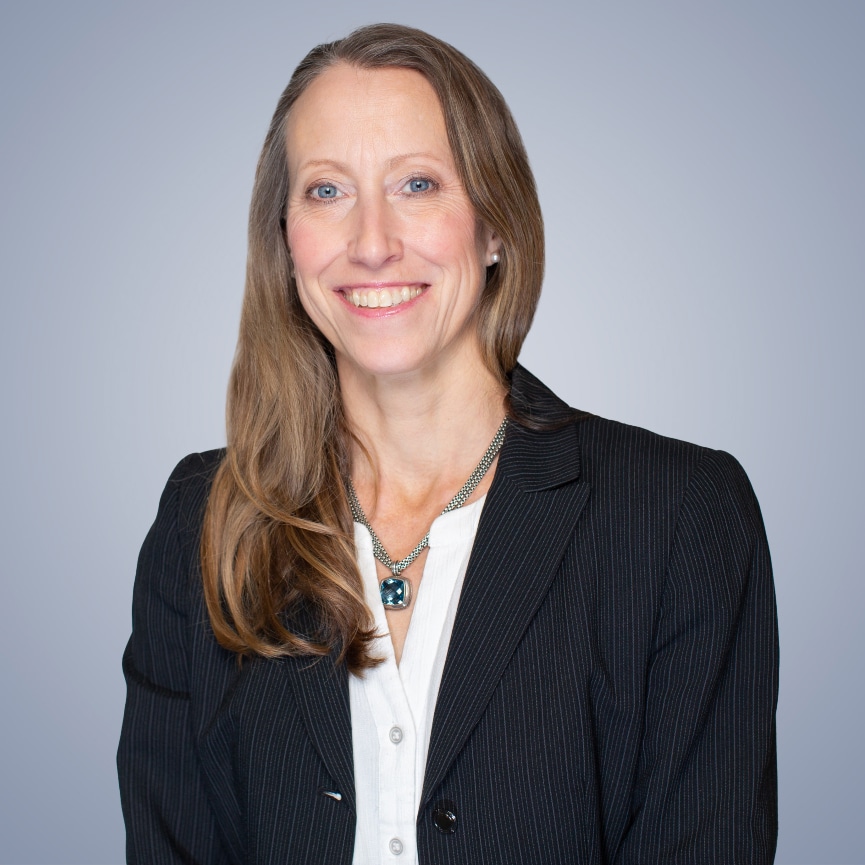
SunCloud leadership
Dr. Kimberly Dennis
MD, CEDS
Chief Medical Officer, CEO and Co-founder
Care That Respects Your Story
Led by nationally respected psychiatrist Dr. Kim Dennis, our clinicians treat more than a single diagnosis; they address the emotional, physical, and spiritual dimensions that fuel lasting recovery. Every staff member receives ongoing training in trauma-informed and culturally affirming care, ensuring your values, identity, and personal history guide each therapeutic step.
Skills, Support, and Connection
Dietitians craft realistic nutrition goals instead of rigid rules, therapists integrate evidence-based approaches like DBT and CPT within a safe, empowering atmosphere, and recovery specialists involve families in teen treatment and strongly encourage family involvement for adults, respecting privacy and applicable consent requirements, because family work is a cornerstone of better outcomes. Continuous professional development keeps our Northbrook team at the forefront of mental-health innovation, so you benefit from the latest research and best practices across every level of care.
Partners in Your Next Chapter
When you join SunCloud Health, you gain more than treatment; you gain trusted partners committed to walking beside you, celebrating each milestone, and ensuring the skills you learn carry you confidently into the next chapter of your life.
Your care team is assigned based on your program and individual needs.
Our Approach, Explained by Our Team
SunCloud clinicians explain our approach to care. These videos discuss treatment generally, rather than a specific local program.
Holistic, Individualized Care
Featured voicesKimberly Dennis, MDand members of the SunCloud Health team
Read video transcript
YouTube auto-generated captions, edited for readability. Unclear wording is marked; minor transcription errors may remain.
SunCloud Health specializes in treating patients with complex co-occurring disorders and doing so in an individualized way as well as in a way that recognizes and treats the whole person.
What I really like about SunCloud is that we very much treat the entire person if you're struggling with mood if you're struggling with trauma if you're struggling with um addiction and eating disorders and some mix of all of them where you can kind of come in have all of those things addressed on like a really holistic and human level.
Many people that you're treating are experiencing multiple presenting concerns and multiple you know issues that are leading them to seek treatment so we try to see this um see individual as a whole person.
Being placed in sort of an individual track where you have to you're sort of asked to bracket or ignore other things that's not what we do here.
And instead of just saying you know I'm seeing this behavior show up it it's it's asking the person to look into what's contributing to the behaviors.
We want to dig deep. We want to do this work because otherwise it's going to be superficial. If you just work on one thing that's how people relapse we're going to kind of find the person first um and often what's underlying all these other presentations and help you kind of bring them together and not excluding anything about their experience in the context of their treatment.
We um believe that treating a person as a whole person um is what every individual deserves in the treatment program. [Music]
Compassionate, Caring Staff
Featured voicesKimberly Dennis, MDand members of the SunCloud Health team
Read video transcript
YouTube auto-generated captions, edited for readability. Unclear wording is marked; minor transcription errors may remain.
[Music] We seem to draw um therapists and clinicians and a staff and people who just like really genuinely care like like people who like connecting with other clinicians about checking in and talking about like here's what's going on with the patients that are here and here's what they need and here's what I'm concerned about.
Dr Kim has a knowledge of this work above all else. She notices everything that's going on with each patient that comes through SunCloud and she'll also help to guide the team to make sure each patient is getting exactly the right care that they need.
One of the biggest things about treatment is our ability to collaborate whether that be onsite with our psychiatrist dietitian site director therapist all together and offsite because when we get somebody that walks through our door we're meeting them for the first time um all of our outside providers therapist psychiatrists schools you know anybody like that has a lot of information coming in and that can help support the process.
I think the biggest thing that I want the world to know is the recovery looks different for every person.
My favorite part of my role at SunCloud is being part of a team that's committed to treating eating disorders in a way that's nuanced and um curious and supportive of each individual person's recovery.
And what we want to help people do is to lay a foundation for a sustainable recovery and a sustainable life so that their life isn't consumed with symptoms that brought them here or treatment itself. You know life life gets big when these diseases shrink. [Music]
Cultural Competency & Diversity
Featured voicesKimberly Dennis, MD
Eleanor Annan, MDDr. Annan is a former SunCloud Health psychiatrist.
Read video transcript
YouTube auto-generated captions, edited for readability. Unclear wording is marked; minor transcription errors may remain.
[Music] I have particular interest in exploring and looking at how culture and uh issues related to ethnicity or background even impact the way these conditions show up are experienced and manifest in people's lives how then they approach treatment how they look treatment the need for treatment um how it impacts whether they're even going to come through the door for treatment and how it impacts their outcomes and how we then as clinicians uh integrate this way of thinking into approaching our patients you know we we call it individualized care or culturally competent care uh.
When I see my patients I um like to let them know that I have a respect for them because you know they know they have a problem which is a very difficult thing to do and they're um accepting the help they need that's another very difficult thing to do and I usually start with that I have a respect for them Having the courage to address their issues.
I am particularly uh attracted to you know our SunCloud model because I think it is a model that has done a really good job or allowed me to incorporate at that way of thinking into my work particularly because we do um invest a lot in social justice work and anti-racism and just educating ourselves to be more aware uh of how these issues show up in the treatment room um or or in care.
We've had the luxury at SunCloud Health um have patients come in for treatment um and not feel stigmatized not not feel shamed not feel blamed not feel controlled um and to get help for again complex complex disease packages. [Music]
Family Therapy & Involvement
Featured voicesChris Stewart, MDFormer SunCloud Health psychiatrist
About this video
Dr. Stewart discusses the role of family participation, privacy, and an empathic, nonjudgmental approach in treatment and recovery.
Family involvement is required in SunCloud’s teen programs and strongly encouraged for adults.
Open the video and transcript on YouTube ↗Addressing Integrated Disorders
Featured voicesKimberly Dennis, MDand members of the SunCloud Health team
Read video transcript
YouTube auto-generated captions, edited for readability. Unclear wording is marked; minor transcription errors may remain.
[Music] . So often in medicine and in mental health we as physicians or treatment professionals say we know what recovery looks like it looks like this you know it looks like this for all people for anybody who has an eating disorder it looks like this or for anybody who has a substance use disorder it looks like this or for anybody who has PTSD it looks like this and that's just not true it's just not true there's a whole array of um paths to recovery what's recovery and someone's best life is unique to that individual.
And because I got into this um based on my interest in really helping people find lasting change and create sustainable change um this model of uh looking at the whole individual uh instead of looking at the individual through the the lens of just diagnosis.
So taking the individual and saying you know your your eating disorder is very intimately related to your alcohol use disorder that both have uh really really deep uh and tight connections with your trauma uh which is really um what what I think is the central piece to you know a lot of the conditions that our patients come in with.
Disease like this addiction trauma it works like [unclear phrase] right like I'm going to stop drinking and I'm going to start eating I'm gonna stop eating and I'm gonna start sleeping with everybody I'm gonna stop sleeping with everybody I'm gonna gamble my life away I'm gonna spend all my money I'm gonna because the my disease centers in my mind and it doesn't matter what I use I'm always going to find something.
That's what I love about SunCloud too it's like they're not just treating one thing they're not just saying hey you're alcoholic go away no you're an alcoholic maybe you got these other issues how does your life look here what are you doing there you know like what have you struggled with before what are you also struggling with.
And you know how many times do we come and say yeah I don't have any of those problems I don't want to talk about anything else I've just got this I I only drink if you can just get me to stop drinking then you put away the drinking and you feel like all this other stuff is coming up.
Think that the emphasis and the focus on uh rebuilding healthy attachments build in community uh making more connections which is an integral part of the of treatment here is um a strength of the program.
We do not focus solely on mood disorders or solely on substance use disorders or solely on eating disorders or primarily on any one of those three things. We focus primarily on the patient the individual patient and what their complex disease package looks like what their complex package of assets and strengths look like and then build treatment plans to specifically tailor each patient's needs.
Right. And a big part of treatment is not just getting sober and staying sober although that is a big part of treatment it's setting up life to you know thrive and to have something that you're looking forward to as one of my patients said is like making a life worth being sober for. [Music]
Progress you can measure
Measuring Progress, Supporting Lasting Recovery
Patient-reported measures help our team understand progress and inform care.
These are combined program results, not a Northbrook-only sample. Average changes do not guarantee an individual outcome.
Depression symptoms: admission to discharge
PHQ-9 scores · Lower scores reflect fewer symptoms.
Adults with a depression diagnosis
Adult patient sample
Other measures in the 2025 report
Patient-reported symptom scores · Lower scores reflect fewer symptoms.
Anxiety
Adult patient sample
State anxiety
Trait anxiety
Eating disorder symptoms
Adults with eating disorder diagnoses
PTSD symptoms
Adults with trauma diagnoses
Quality of life
Four dimensions of adult well-being
Adolescent results in the 2025 report
Adolescent patient sample across SunCloud programs · Lower scores reflect fewer symptoms.
Depression symptoms
Anxiety symptoms
Beyond the numbers
Why measuring progress matters
Hear the patient’s perspective
Understand changes over time
Inform ongoing care
Source: our published 2025 report.
Questions About Northbrook Care
How quickly can I start treatment after my assessment?
Our admissions team will guide you through the assessment and next steps. Timing depends on clinical needs, program availability, and insurance verification.
What levels of care are available in Northbrook?
The 40 Skokie Boulevard center provides adult and adolescent PHP and IOP. Adult virtual evening IOP is another option. Adult residential care is at a separate Northbrook facility, 1535 Lake Cook Road. Teen residential care for girls ages 13–18 is in Matteson.
How do I know which level of care is right for me?
A comprehensive assessment considers your symptoms, safety needs, support system, and daily life to determine whether SunCloud is the right fit and which program may be appropriate.
How long will I be in PHP or IOP?
Length of stay is individualized and based on clinical progress reviews rather than fixed calendars, ensuring you transition only when ready.
Is family participation required?
Yes, family involvement is required in our teen programs. For adults, family participation is strongly encouraged in nearly all cases because it is a key component of recovery. Our team will discuss the expectations for your program and how privacy and consent are respected.
Do you accept my insurance plan?
Our team verifies benefits and explains coverage and costs before treatment. Network participation and benefits depend on your individual plan and program.
Do you treat co-occurring eating disorders and addiction?
Yes. Our integrated model addresses eating disorders, substance use, trauma, and mental health concerns together. When residential care is appropriate, our team can discuss options at our other locations.
What if my symptoms do not improve?
Your team reviews progress with you and may adjust the treatment plan or level of care. Ask about the measurement tools used in your program and any additional treatment options.
How do I get to the center?
Our address is 40 Skokie Boulevard, Suite 200, Northbrook, IL 60062. Use the directions link below to plan your route. Confirm current public transit routes and schedules with the transit provider before travel.
Can I keep my current psychiatrist or therapist?
Our team can discuss coordination with your existing clinicians. With your permission, we can work with them on treatment and follow-up planning.
How private is the outpatient center?
Confidentiality and respect guide care. Ask our team about privacy practices, building access, and any needs you want to discuss before your first visit.
Plan Your Visit to Northbrook
SunCloud Health
Northbrook Treatment Center
40 Skokie Boulevard
Suite 200
Northbrook, IL 60062
Before your visit
Contact our team about parking and building access before your visit. Contact admissions for your appointment time and any arrival instructions.
Admissions phone support
Monday through Sunday, 8 am to 7 pm. Please confirm your program’s treatment schedule with the team.
Your Next Step Starts With a Conversation
At SunCloud Health, our physician-led team brings medical science and heartfelt compassion together through integrated PHP and IOP care in Northbrook, Illinois.
Our transdiagnostic model brings mood, trauma, eating, and substance challenges into one cohesive plan. Call our team or use our confidential contact form to discuss your personalized assessment and take the first step toward healing.