
A Clearer Path When Your Teen Needs More Support
Families searching for adolescent treatment near Milwaukee may not know whether their teen needs PHP, IOP, outpatient therapy, or residential care. You do not have to decide that before reaching out.
We offer a continuum of adolescent care for complex mental health, eating disorder, trauma, substance use, self-harm, and co-occurring concerns. Our admissions team can talk with your family about safety, symptoms, treatment history, school needs, and what level of support may fit now.
Before the program decision
Find Clarity Before Choosing A Program
When families call us, they are often carrying more than one worry at once: mood, anxiety, safety, eating patterns, school stress, family conflict, or substance use. We can help you slow the decision down and look at what your teen may need now.
- We listen before assuming one level of care.
- We look at the whole teen, not one diagnosis.
- We help plan for home, school, family support, and step-down care.
Conditions We Treat
One Coordinated Plan For The Whole Picture
Many families reach out because their teen is not struggling in just one neat category. Our team can help assess what is happening and whether PHP, IOP, residential treatment, or outpatient care may be appropriate.
Depression and mood symptoms
Low mood, irritability, loss of interest, emotional intensity, hopelessness, and difficulty functioning day to day.
Anxiety, OCD, and panic
Persistent worry, panic symptoms, intrusive thoughts, compulsive behaviors, avoidance, and fear that disrupts school or home life.
Eating disorder symptoms
Anorexia, bulimia, binge eating, ARFID, body image distress, restriction, purging, or eating patterns affecting health.
Trauma and PTSD symptoms
Trauma responses, hypervigilance, shutdown, emotional reactivity, nightmares, avoidance, and difficulty feeling safe.
Self-harm and safety concerns
Self-injury, suicidal thoughts, risky behavior, or moments when a family needs a more structured safety plan.
Substance use and co-occurring disorders
Alcohol, cannabis, other substances, process addictions, and mental health symptoms that interact with substance use.
School refusal and social stress
Avoiding school, withdrawing from friends, conflict at home, academic pressure, bullying, and difficulty returning to routines.
Complex or overlapping needs
When symptoms overlap across mood, anxiety, eating patterns, trauma, identity, relationships, and family dynamics.
If your teen is in immediate danger, call 911 or go to the nearest emergency room.
Choose Support Based On Safety, Symptoms, And Daily Life
The right level of care depends on safety, symptom severity, daily functioning, school needs, family support, and treatment history. We can help your family compare these options without assuming residential care is the only answer.
Residential
Residential care at our Matteson campus may be appropriate when safety, symptoms, or daily functioning require 24-hour structure.
View ResidentialIOP
Intensive Outpatient care can support teens who need more than weekly therapy but do not need full-day treatment.
View IOPOutpatient
Outpatient care can support continued progress after PHP, IOP, or residential treatment.
View OutpatientNot Sure What Level Of Care Your Teen Needs?
If your family is comparing therapy, PHP, IOP, residential treatment, or outpatient care near Milwaukee, you do not have to sort that out alone. We can help you talk through what is happening now and what kind of support may fit next.
Why families choose us
What Makes SunCloud Health Feel Different For Milwaukee Families
Milwaukee-area families often need more than program names. They need a team that can help connect symptoms, safety, school, family dynamics, and the next practical step.
- Integrated care for complex needs. We can support overlapping mood, anxiety, trauma, eating-disorder, substance use, and family concerns together.
- The right amount of structure. Your family can compare residential treatment, PHP, IOP, and outpatient care without guessing alone.
- Family involvement. Care includes attention to communication, boundaries, caregiver support, safety planning, and the home environment your teen returns to.
- Progress we can talk about. SunCloud Health tracks outcomes so treatment conversations can include what is changing and what still needs support.
- Continuity after higher care. The goal is not just admission. The goal is a path that can keep supporting your teen after the first level of treatment.
A real team and real spaces
Care Should Feel Personal From The First Conversation
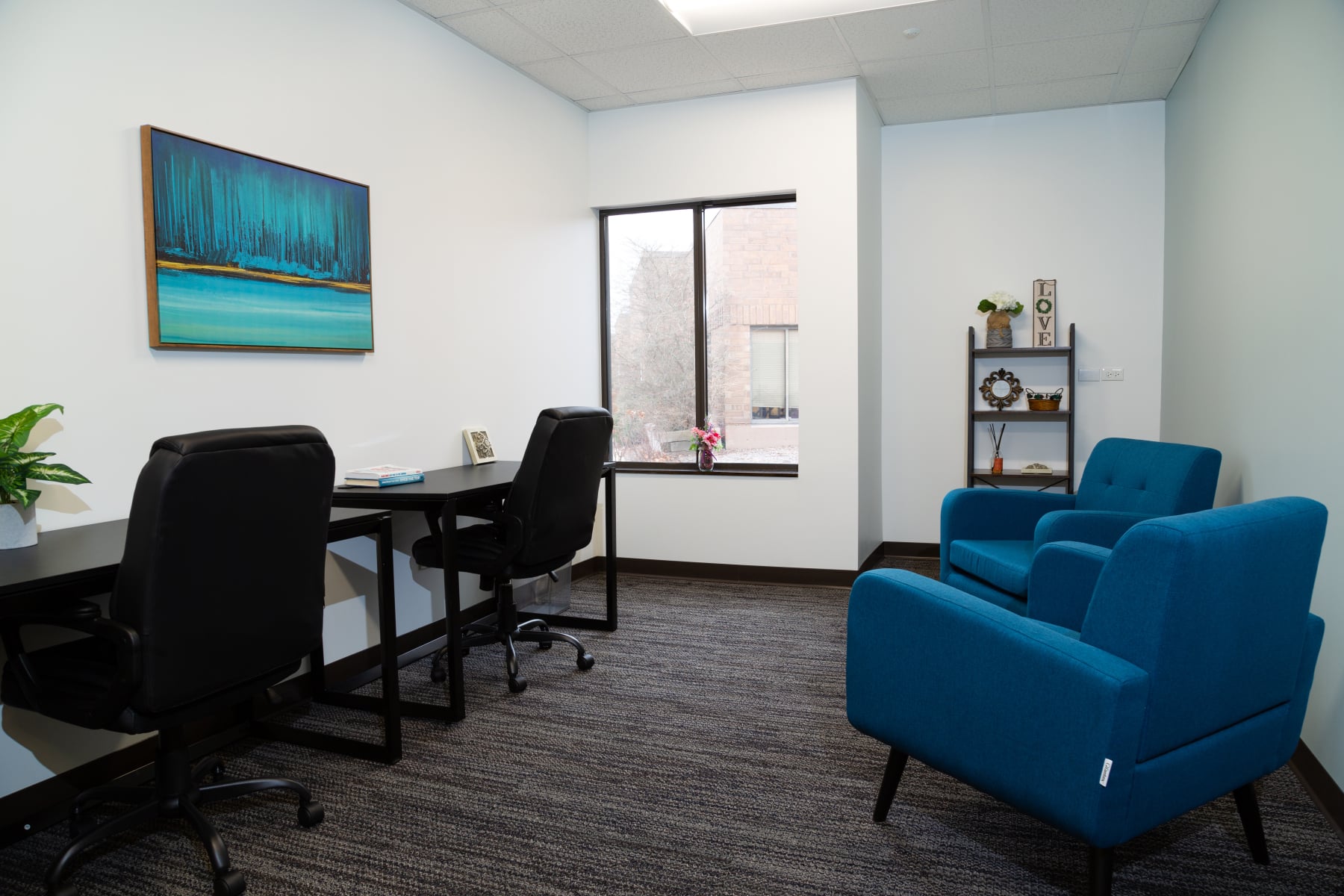
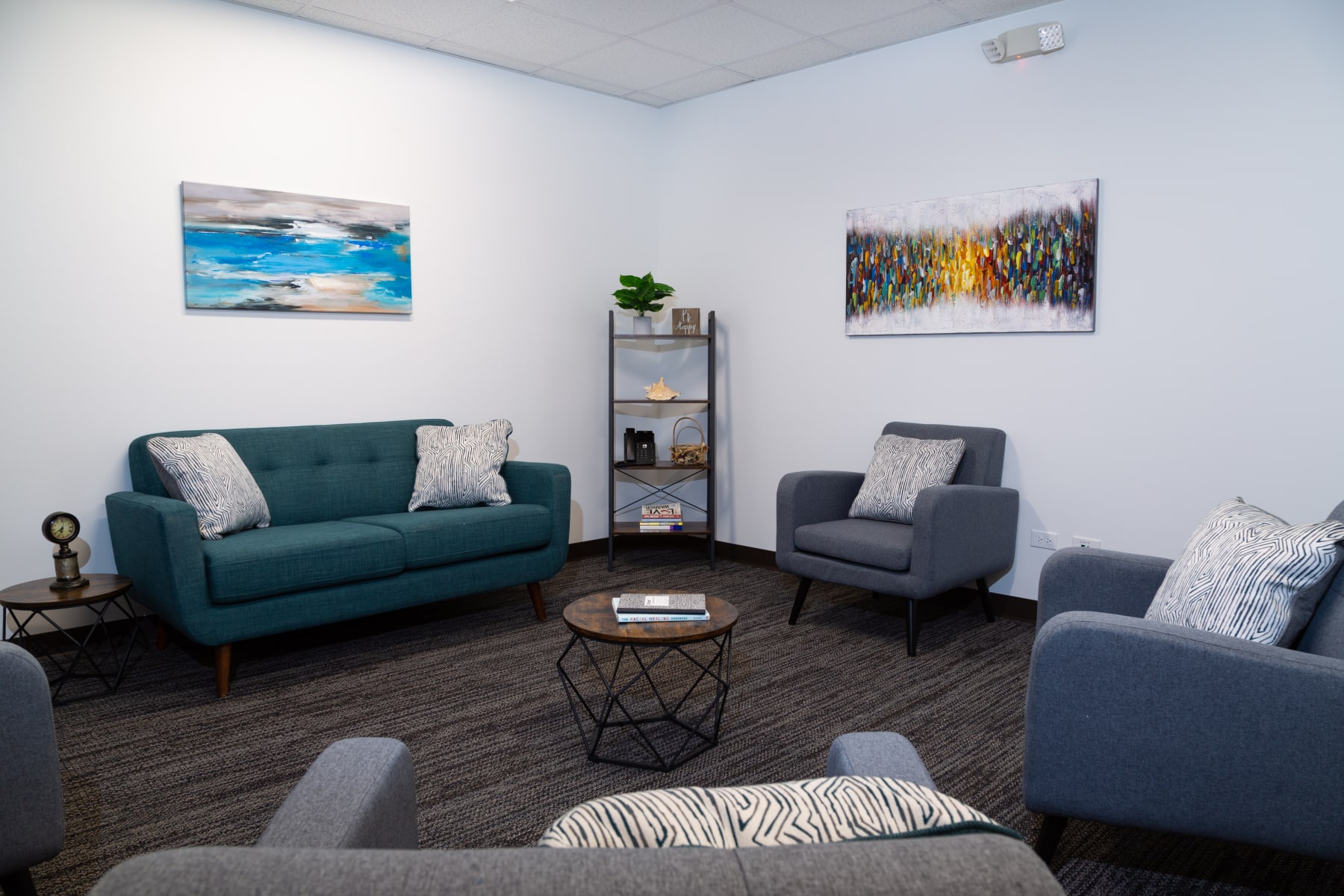
Families near Milwaukee often want to know who they are calling and what kind of environment their teen may step into. We want you to see the people, places, and calm treatment spaces behind the care path.

Outcomes Report
Measured Outcomes For Adolescent Treatment
For Milwaukee families considering SunCloud Health, outcomes data offers one helpful lens. We track adolescent symptom measures from admission to discharge as part of its commitment to data-informed care.
Depression symptoms
PHQ-9Average adolescent scores moved from the moderate-severe range to the mild range.
Anxiety symptoms
SCARED anxiety screenAverage adolescent anxiety scores decreased on the SCARED anxiety screen during treatment.
Eating-disorder symptoms
EDE-QAverage global eating-disorder scores moved lower by discharge.
Trauma symptoms
CPSS-VAverage adolescent trauma symptom scores decreased during care.
Source: SunCloud Health Outcomes Report. Lower symptom scores generally reflect improvement. Average results help identify trends and inform care, but they do not guarantee an individual teen's outcome.
Public Review Themes
Support Families Can Hear In The Reviews
No review can predict another person’s experience, but the 5-star snippets below point to recurring themes: compassion, structure, individualized planning, and continuity.
Featured review
“Communication with their team has always been professional, timely, and collaborative.”Public Google review, SunCloud Health
Higher level of care
“I highly recommend SunCloud Health to anyone seeking a higher level of care.”Public Google review
Community-based approach
“SunCloud focuses on a community-based approach.”Public Google review
Tools for care
“I was educated, enlightened and empowered with tools.”Public Google review
Reviews are individual public experiences and are not a guarantee of outcomes. Our admissions team will help your Milwaukee family discuss which level of care may fit your teen’s needs.
Hope can become practical
Your Teen Is More Than What They Are Going Through
When a teen is struggling, symptoms can start to take up the whole room. We help families create a care plan that gives the teen more than a label: more safety, more language for what they are feeling, more support around daily life, and a next step that feels possible.
Admissions Support
Explore Adolescent Treatment Options Near Milwaukee
Families from Wisconsin can talk with SunCloud Health about the level of care that may fit their teen, including intensive outpatient options, virtual support, residential treatment when needed, and outpatient care planning.
If your teen is in immediate danger, call 911 or go to the nearest ER.