
Interviewed by Kimberly Dennis, MD, CEDS
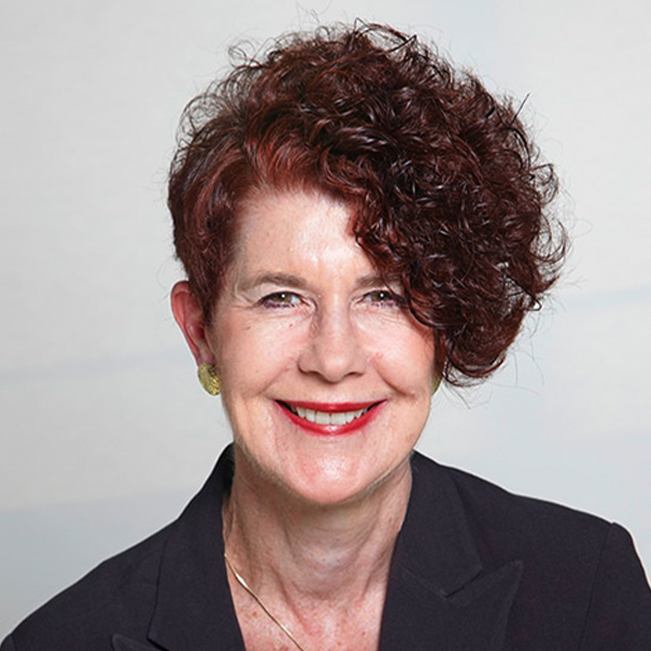
Barbara Coffey, MD, MS
Professor & Chairman, Department of Psychiatry and Behavioral Sciences, University of Miami Miller School of Medicine
Q. What are the current guidelines for the pharmacological treatment of pediatric onset psychiatric disorders, and how have they evolved over the past decade?
A. Whereas there has been an increase in pediatric psychopharmacology studies over the past decade, there are still many fewer medications approved by the FDA for labeling for specific indications for pediatric patients than adults in the US. We generally recommend that clinicians start with a medication within a class that has FDA approval for the specific indication. For example, for treatment of major depressive disorder, fluoxetine is indicated for children ages 8-17 and escitalopram for adolescents ages 13-17. If the FDA approved medication for that indication is not helpful or tolerable, we typically go to another medication within that class that is FDA approved for adults for that indication.
Q. Can you discuss some of the classic pharmacological studies that have significantly influenced current practices in child and adolescent psychiatry?
A. The classic studies we discussed in my presentation included: the Multimodal Treatment of ADHD study (MTA); the Treatment of Early Onset Schizophrenia Study (TEOSS); the Treatment of Adolescent Depression Study (TADS); the Child/ Adolescent Anxiety Multimodal Study (CAMS); and the Pediatric OCD Treatment study (POTS). References are in the slides.
Q. How can recent research highlights be integrated into clinical practice for treating children and adolescents with psychiatric disorders?
A. Since our pediatric psychopharmacology evidence base is still quite limited relative to adults, it is helpful for clinicians to be familiar with both the “gold standard” pediatric studies (cited in #2) and recent pediatric psychopharmacology research. These studies provide evidence on which medications, what dosage and duration of treatment, and adverse effects, have been identified in treatment of pediatric onset disorders.
Q. What are the main benefits and risks associated with the most recommended psychopharmacological treatments for children and adolescents?
A. From my summary slide:
Psychiatric disorders are highly prevalent in youth.
Comorbidity is the rule rather than the exception.
ADHD generally persists; hyperactive-impulsive symptoms attenuate over time. Functional outcomes are highly impacted; medication improves all outcomes.
Stimulants are among the most effective medications in medicine and are generally safe. Several new stimulant delivery systems cover a wide range of options.
Non-stimulants are also effective for ADHD.
Several SGAs in youth are approved for treatment of early onset schizophrenia and bipolar disorder.
DMDD diagnosis is rising relative to pediatric bipolar disorder, but there has been no significant reduction in antipsychotic use.
SGAs appear more effective in Bipolar I disorder than mood stabilizers in youth, but kids may be more vulnerable to metabolic effects.
MDD tends to be persistent and may be disabling. At least 9-12 months of antidepressant treatment is necessary, but individual response varies. Children tend to have a less robust response than adults.
SSRIs are effective for anxiety disorders. For GAD, SAD, and Social AD, 6-9 months of anxiolytic treatment may be sufficient, although treatment may need to be extended to 12 months.
For OCD, several SSRIs have been approved for use in youth. Clomipramine is a good alternative for those who do not respond to two adequate SSRI trials.
Alpha adrenergic agonists are first line pharmacotherapy for tic disorders.
Overall:
In pediatric practice, there is a need for comprehensive evaluation.
Medication risks vs. benefits must always be calculated, but in youth the risks of no treatment, such as with ADHD, should always be considered.
Developmentally relevant side effects are essential to understand: cognitive, growth, and development related
Q. How do clinicians balance the potential benefits and risks when prescribing psychopharmacological treatments to pediatric patients?
A. As above, with children and adolescents the clinician must weigh developmentally relevant adverse effects such as cognitive impact on ability to learn, and growth and development.
Q. What off-label pharmacotherapies and somatic therapies have promise for treatment refractory OCD in adolescents?
A. All pediatric patients who have failed to respond to CBT/exposure and response prevention and at least two adequate trials of SSRIs should have a clomipramine trial. We use the same medications or combinations of medications for treatment refractory pediatric OCD as we do in adults. i.e. glutamate modulating treatments such as NAC and riluzole. IOPs and PHPs if available are also recommended. A review article is attached for reference.
Q. What are most promising new treatments being developed for adolescents in the current era of unprecedented rates of depression and anxiety in this age group?
A. Given the increasing rates of anxiety, depression, and suicidality in teens even before the pandemic, new interventions are essential. Online therapies, app-based interventions which collect ecological momentary assessments, Telehealth adapted treatments and virtual reality approaches may show promise in this digital native group.

Joint Accreditation Statement:
In support of improving patient care, this activity has been planned and implemented by Amedco LLC and Galen Mental Health. Amedco LLC is jointly accredited by the Accreditation Council for Continuing Medical Education (ACCME), the Accreditation Council for Pharmacy Education (ACPE), and the American Nurses Credentialing Center (ANCC), to provide continuing education for the healthcare team. Amedco Joint Accreditation #4008163.