
Interviewed by Kimberly Dennis, MD, CEDS Featured expert on substance use and addiction.
Jean Lud Cadet, MD
Chief, Molecular Neuropsychiatry Research Branch, NIH, NIDA
Research Fellow and Assistant Professor of Neurology & Psychiatry Research Fellow and Assistant Professor of Neurology & Psychiatry, Columbia University Medical Center
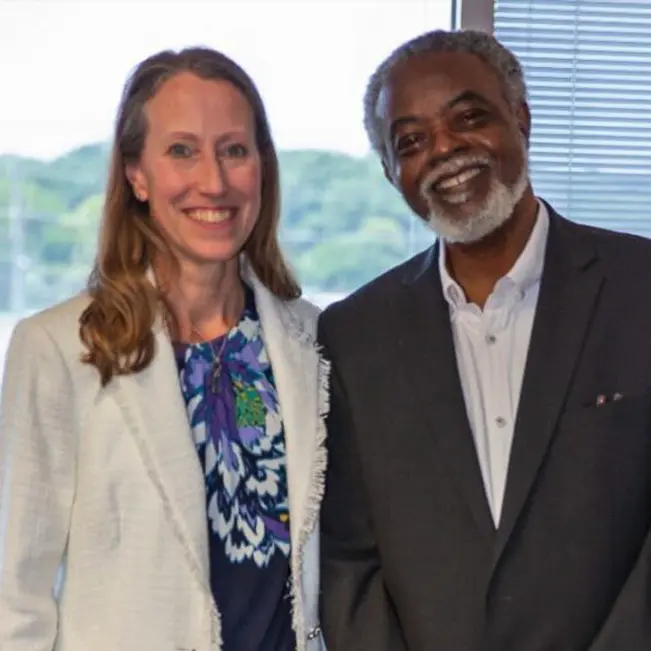
Q. Can you briefly review how your formal education and training went and enabled you to be a key scientist at NIDA at a time when drug addiction research was rare and harmful drug use was largely ignored?
My training in psychiatry and neurology residencies followed by fellowships in neuropsychiatry allowed me to have a better understanding of how the brain works. It also provided me with a greater understanding of the connections between different brain regions that participate in the addiction process. In addition, it helped me to develop a research program that encompassed both the neurological and psychiatric bases of addiction.
Q. How has your training in both Neurology and Psychiatry residency programs impacted your science and interest in basic drug effects, after-effects, and toxicity mechanisms?
My training in Neurology and Psychiatry continues to guide everything that I do on a regular basis. My knowledge of neurological side-effects of drugs helped me to plan research to elucidate the molecular bases of these after-effects in the hope of implementing better approaches to the treatment of patients who face these drug-induced problems.
Q. You had a long-standing interest in cocaine, methamphetamine, and psychostimulants. How could cocaine have been considered as having low addiction potential for the Research Diagnostic Criteria, DSM 1, DSM 2, and DSM 3?
The idea that cocaine had low addiction potential was a mistake based on a lack of knowledge of the biochemical consequences of cocaine on the brain. In addition, the physicians writing these versions of the DSM were showing pro-cocaine biases because of the population of people, mostly white-collar professionals, using cocaine at the time.
Q. Your work has been widely cited by other scientists as pivotal and also at least 30,000 times in peer-reviewed papers. Your work on methamphetamine neurotoxicity and consequences, marijuana’s neurocognitive effects, and orbitofrontal dysfunction in cocaine use disorders are just fantastic. Could you explain, in lay terms your findings on:
Methamphetamine neurotoxicity and reversibility? Methamphetamine neurotoxicity is characterized by decreased levels of dopamine, serotonin, and proteins involved in their mechanisms of action. In addition, high doses of methamphetamine can cause cognitive deficits in patients. Studies from my laboratory and those of others have some degree of reversibility after long-term abstinence but the reversibility is not complete. Also, even when there is reversibility of the effects on dopaminergic systems, there appear to still be cognitive abnormalities in some patients. So, the best approach is prevention.
Cannabis use and loss of neurocognitive function? Initially, it was thought that cannabis did not have any effects on the brain. My studies at NIDA IRP and those of others who have cited our studies have reported that there are clear effects of marijuana on learning and memory. The effects are dose-dependent, meaning that the more marijuana somebody uses, the more problems the person will have with making decisions and remembering tasks to perform.
Cocaine effects in decision-making? Cocaine has biochemical effects on several brain regions including the frontal lobe, the hippocampus, and the caudate putamen. Subdivisions of the frontal lobe are responsible for various aspects of cognitive processes used in daily activities. One of those is decision-making. My laboratory at NIDA IRP has published papers that show that cocaine can disturb decision-making. Other laboratories have replicated these data. This is relevant to patients in treatment programs. The suggestion is that patients with a long history of cocaine misuse should undergo a neuropsychological evaluation to understand how their brains are functioning. This will help decide specific treatment approaches to patients who might be suffering from cognitive deficits.
Tell us about your efforts in community education and prevention, while we await the development of evidence-based treatments specific to cocaine, methamphetamine, and marijuana use disorders.
I give talks and make suggestions regarding treatment approaches. However, professionals who work in communities are the best people to address these issues.
Q. Tell us about your efforts in community education and prevention, while we await the development of evidence-based treatments specific to cocaine, methamphetamine, and marijuana use disorders.
I give talks and make suggestions regarding treatment approaches. However, professionals who work in communities are the best people to address these issues.
Q. How does methamphetamine cause psychosis and why is it so difficult to treat, more difficult to treat than psychosis associated with a mood disorder or schizophrenia?
Methamphetamine causes large releases of dopamine and norepinephrine in areas of the brain such as the nucleus accumbens and the frontal cortex that are involved in the clinical manifestations of psychosis. In some patients, the psychosis can be transient and does not require pharmacological interventions. In other patients, methamphetamine-induced psychosis can last a long time and can be very difficult to treat because of the large amount of dopamine and norepinephrine that is bathing the brain. The use of antipsychotic drugs can result in neurological complications including dystonic reactions.
Q. As one of the original Black NIH scientists, how have you been impacted by racism in your work and training?
Racism is an ever-present problem in our society. It raises its ugly head in every professional setting. Several NIH Black scientists, including myself, who had been impacted by racism reported some issues to the NIH director a few years ago. The NIH has put out some statements and is now addressing some of our issues.
Q. What do we need to be doing to create more equitable training programs and systems of care? Do you have any talks on this topic?
I have discussed issues related to training, systems of care, and shortages of Black healthcare professionals as well as their impact on Black patients in talks and panel discussions. These issues are important to me and should be important to every American citizen.
Q. You have done pioneering work on dopamine from dopamine and free radicals to dopamine and anhedonia, is there a way to protect dopamine systems throughout the life cycle to remain happier?
The accumulated evidence suggests that the developmental pathologies of several brain diseases depend in the generation of free radicals from catecholamines like dopamine. The brain has antioxidant systems that help to protect it. These include vitamin E, glutathione, and some other vitamins that work to quench these free radicals. So, implementing dietary changes that include the taking of antioxidant vitamins are approaches that I have recommended.
Explaining SunCloud’s Integrated Model Why is an integrated treatment model essential to successfully treating patients?
Dr. Kim Dennis, Co-Founder and Medical Director at SunCloud Health, discusses the vital role the integrated model (that she is pioneering at SunCloud Health) plays in the success of treating patients with co-occurring disorders and underlying trauma. How does SunCloud create an authentic culture of patient support?